
Event Production and Event Lighting
Comprehensive Guide to Event Production and Event Lighting Solutions
Understanding the intricacies of event production and event lighting can transform any gathering into an unforgettable experience. With the global events market surpassing $1.2 trillion in 2023, organizations and planners face mounting pressure to deliver flawless technical execution and creative impact.
Event Production Market Growth
The global events market was valued at over $1.2 trillion in 2023, highlighting the significant economic impact and growth of the industry. This substantial market size underscores the importance of professional event production and the need for skilled professionals to manage the complexities of event execution.
This research supports the article’s introduction, which mentions the market’s value and emphasizes the importance of event production.
This guide addresses the complexity of staging, audiovisual integration, lighting design, sustainability practices, and partner selection—mapping the core themes you need:
- Foundations of event production and team roles
- Types of event lighting fixtures and advanced techniques
- Audio visual production essentials for live, hybrid, and virtual formats
- Tailored services for corporate, wedding, concert, and trade-show events
- Sustainable practices and certifications
- Criteria for choosing a production and lighting partner
- Emerging trends in technology and design
Whether you’re planning a gala, conference, or festival, this comprehensive resource will clarify terminology, explain mechanisms, and highlight actionable best practices for seamless execution.
What Is Event Production and How Does It Shape Successful Events?
Event production is the end-to-end orchestration of technical, creative, and logistical elements that bring an event concept to life. By coordinating staging, audiovisual systems, lighting, and venue operations, production teams ensure every sensory detail aligns with the client’s vision. For example, a corporate gala with synchronized lighting cues and video content can reinforce brand messaging and elevate guest engagement—delivering tangible ROI through attendee satisfaction and social media buzz.
What Are the Key Roles and Responsibilities in Event Production?
Event production relies on a skilled team, each member managing distinct facets:
- Event Producer manages overall vision, budget, and vendor coordination.
- Technical Director oversees AV integration, ensuring sound checks and signal flow.
- Lighting Designer crafts atmosphere through fixture selection, color programming, and intensity control.
- Stage Manager handles on-site logistics, cue execution, and talent coordination.
- Logistics Coordinator arranges equipment transport, rigging schedules, and venue permits.
These roles collaborate to deliver immersive experiences that align creative concepts with practical execution.
How Does Event Production Differ from Event Planning?
Event planning focuses on venue sourcing, registration, catering, and guest logistics, whereas event production tackles the technical and creative execution—staging, lighting design, sound engineering, and show calling. While planners secure contracts and manage schedules, production teams translate abstract themes into physical environments. Understanding this distinction helps planners and production partners collaborate seamlessly, ensuring both logistical precision and audiovisual excellence.
What Are the Essential Components of Event Production Services?
Comprehensive production services combine multiple elements:
- Staging & Rigging – Modular stages, trusses, and safety inspections
- Audio Visual Systems – Microphones, mixers, video walls, projection mapping
- Event Lighting – Decorative uplights, moving heads, gobos, LEDs
- Show Calling & Cueing – Live control of media, lights, and pyrotechnics
- Logistics & Crew – Load-in/out scheduling, union coordination, safety compliance
Each component must integrate seamlessly to support the creative narrative and technical reliability of the event.
How Does Event Production Create Immersive Experiences?
By combining dynamic lighting, synchronized video content, immersive soundscapes, and scenic elements, production teams engage multiple senses. Techniques such as projection mapping on architectural features, interactive LED installations, and directional sound arrays can transport attendees into themed environments. These immersive experiences foster emotional connections, encourage social sharing, and enhance brand storytelling.
What Are the Main Types and Techniques of Event Lighting?
Event lighting uses specialized fixtures and control systems to shape atmosphere, focus attention, and evoke emotions. Effective designs blend ambient, task, and accent lighting with dynamic effects—transforming blank spaces into memorable stages. Through precise color temperature, beam angles, and programmable cues, lighting designers guide guests’ visual journey and reinforce narrative themes.
Which Event Lighting Fixtures Are Most Commonly Used?
Below is a table comparing core fixture types, their attributes, and ideal applications:
These fixtures form the backbone of modern lighting rigs, enabling designers to sculpt space and mood with precision.
How Do Ambient, Task, and Accent Lighting Differ in Events?
Combining these types ensures both visibility and visual interest, supporting guest comfort and focal emphasis.
What Are Advanced Lighting Techniques for Dynamic Events?
Event designers employ advanced techniques to elevate energy and engagement:
- Color Washing floods surfaces with brand or mood-defining hues.
- Pin Spotting directs narrow beams to highlight key décor.
- Moving Effects synchronize moving heads and scanners for kinetic impact.
- Strobe & Laser Effects amplify energy during peak moments.
These dynamic methods reinforce pacing and drive audience excitement, especially in concerts and galas.
How Does Color Theory Influence Event Lighting Design?
Color theory guides emotional impact through hue, saturation, and temperature:
- Warm Tones (2700–3000 K) promote intimacy and warmth.
- Cool Tones (5000–6500 K) convey clarity and sophistication.
- Complementary Contrasts bring visual drama.
- Analogous Schemes ensure harmonious environments.
Understanding psychological associations—red for excitement, blue for calm—enables precise mood control and branded experiences.
How Does Audio Visual Production Enhance Event Experiences?
Audio visual (AV) production integrates sound, video, and projection to deliver clear messaging and engagement. High-quality sound reinforcement, crisp video playback, and synchronization of content with lighting cues create seamless storytelling. For hybrid and virtual formats, robust streaming infrastructure and interactive platforms extend reach and maintain immersion across physical and digital audiences.
What Are the Core Elements of AV Production for Events?
- Sound Systems – Line arrays, stage monitors, wireless microphones
- Video Playback – Media servers, LED walls, projection mapping
- Lighting Integration – DMX control, synchronization with content
- Network Infrastructure – Redundant signal paths, low-latency streaming
How Are Hybrid and Virtual Event AV Solutions Implemented?
- Multi-camera live switching for dynamic streaming
- Platform integration (Zoom, Webex, custom portals)
- Latency management to synchronize in-room and remote audiences
- Audience interaction tools like live polls and Q&A feeds
What Role Does Stage Design Play in AV Production?
- Modular scenic pieces support projection surfaces.
- Truss and rigging accommodate lights, screens, and speakers.
- Set dressings integrate branding and thematic décor.
How Can Interactive Technologies Boost Audience Engagement?
- Touchscreen kiosks for product demonstrations.
- Audience response systems for live polling and feedback.
- AR/VR experiences for virtual tours.
How Are Specialized Event Production Services Tailored for Different Event Types?
Different event categories demand unique production and lighting approaches. By understanding each format’s goals, technical requirements, and audience expectations, production teams deliver targeted solutions that maximize impact and efficiency.
What Are the Unique Lighting and Production Needs for Corporate Events?
- Brand-aligned color schemes for projection and uplighting.
- Clear sightlines to stages and screens.
- Discrete technical setup to maintain professional ambiance.
Seamless transitions between presentations and breakout sessions hinge on meticulous cue programming and equipment redundancy.
How Is Wedding Event Lighting Designed for Memorable Celebrations?
- Uplighting washes venues in the couple’s color palette.
- String Lights & Chandeliers create intimate canopies.
- Custom Gobo Monograms project names or patterns on dance floors.
Thoughtful dimming curves and pin spots on centerpieces craft dreamy atmospheres.
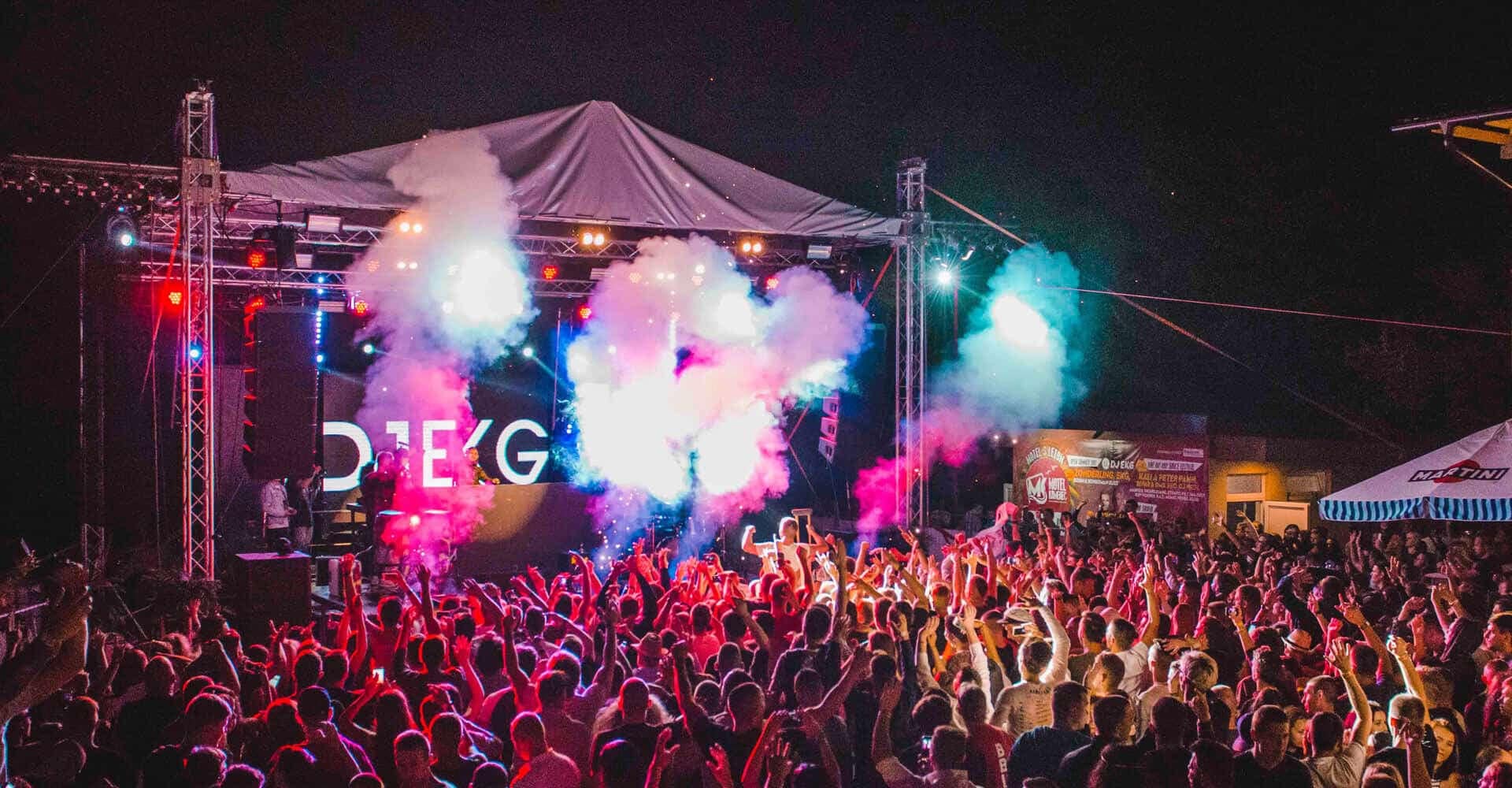
What Are the Key Considerations in Concert and Festival Production?
- High-capacity power distribution for rigs.
- Rigging points rated for heavy loads.
- Dynamic moving head arrays for audience scanning.
- Safety zones and crowd barriers integrated with trussing.
These factors ensure impactful light shows and safe staging for thousands.
How Is AV Production Customized for Trade Shows and Exhibitions?
- Video walls showcase product demos.
- Directional speakers deliver targeted audio zones.
- Interactive touchscreen displays enhance visitor engagement.
- Ambient uplighting draws traffic to key stands.
What Are Sustainable Practices in Event Production and Lighting?
Adopting sustainable practices reduces carbon footprint, manages waste, and demonstrates corporate responsibility. From recyclable staging materials to energy-efficient lighting, eco-conscious production minimizes environmental impact without sacrificing quality.
Sustainable Event Practices
Implementing sustainable practices in event production, such as waste reduction and energy-efficient lighting, is becoming increasingly important. These practices not only minimize environmental impact but also enhance a company’s reputation and align with the growing demand for corporate social responsibility.
This citation supports the section on sustainable practices, emphasizing the importance of eco-friendly solutions in event production.
How Can Event Production Reduce Environmental Impact?
- Waste diversion programs for recycling and composting.
- LED and low-energy fixtures to cut electricity consumption.
- Digital signage instead of printed banners.
- Shared gear pooling across events to reduce transport emissions.
What Are Eco-Friendly Lighting Solutions for Events?
- LED fixtures with high lumen-per-watt efficiency.
- Solar-powered uplights for outdoor receptions.
- Battery-operated fixtures to avoid generator use.
Which Certifications and Best Practices Support Sustainable Events?
- ISO 20121 – Sustainable event management systems
- LEED Green Event Certification – Venue sustainability standards
- A Greener Festival Award – Best practices in waste and energy management
How Does Sustainability Influence Event Technology Choices?
Environmental criteria shape technology selection:
- Battery-powered lighting reduces generator reliance.
- Cloud-based AV networks cut hardware needs.
- Modular staging uses recyclable components.
Aligning tech choices with sustainability goals enhances brand reputation and stakeholder trust.
How to Choose the Right Event Production and Lighting Partner?
Selecting a partner with proven expertise, cutting-edge gear, and sustainable practices ensures every detail runs smoothly. Evaluate credentials, portfolio, and service offerings to match your event’s scale and objectives.
What Expertise Should You Look for in an Event Production Company?
- Design proficiency in stage, lighting, and AV integration.
- Technical execution with certified crew and safety protocols.
- Project management skills for timelines, budgets, and vendor coordination.
A partner with end-to-end capabilities simplifies communication and accountability.
How Does Access to Cutting-Edge Equipment Benefit Your Event?
Modern fixtures and technologies deliver:
- Higher brightness and color accuracy for LED pixel tubes.
- Wireless DMX control for flexible rigging.
- High-resolution video walls with seamless edge blending.
Advanced equipment expands creative possibilities and reduces setup time.
Why Is Commitment to Sustainability Important in Event Services?
- Demonstrate shared values with eco-conscious attendees.
- Yield cost savings through energy efficiency and waste reduction.
- Mitigate regulatory risks and enhance corporate social responsibility.
Choosing a sustainable vendor supports long-term brand reputation.
What Questions Should You Ask Before Hiring an Event Lighting Provider?
Ensure clarity by asking:
- What fixture inventory and rental options do you offer?
- How do you handle power distribution and backup systems?
- Can you customize color palettes and gobo designs?
- What sustainability measures are in place for your equipment?
- How do you manage on-site technical support and troubleshooting?
What Are the Latest Trends and Innovations in Event Production and Lighting?
Innovation drives memorable experiences and operational efficiency. Staying current with hybrid formats, new technologies, and sustainable solutions positions your events at the cutting edge of industry standards.
How Are Hybrid and Virtual Events Changing Production Needs?
Hybrid and virtual formats require:
- Scalable streaming infrastructure for multi-platform delivery.
- Interactive AV interfaces for remote attendee participation.
- On-stage and at-home lighting schemes that translate well on camera.
These adaptations ensure consistent quality across physical and digital audiences.
What New Lighting Technologies Are Transforming Event Design?
- LED pixel tubes for linear effects and color gradients.
- Laser projection systems for high-contrast beam shows.
- Automated fixture with integrated AI for self-calibrating color control.
These developments expand creative palettes and simplify programming.
How Is Sustainable Event Production Evolving in the Industry?
- Circular staging that repurposes materials across events.
- Carbon-offset partnerships tied to travel and energy use.
- Green tech incubators developing biodegradable rigging components.
These innovations drive industry-wide reductions in environmental impact.
What Role Does Event Technology Integration Play in Modern Events?
Integrated platforms unify:
- Audience engagement apps with real-time polling and social feeds.
- Data analytics dashboards tracking attendance and sentiment.
- IoT-enabled lighting control for remote monitoring and diagnostics.
Seamless technology ecosystems enhance decision-making and on-site responsiveness.
Comprehensive event production and event lighting solutions combine technical mastery, creative design, and sustainable practices to deliver seamless, memorable experiences. By understanding foundational roles, exploring advanced lighting techniques, integrating audiovisual innovation, and selecting the right partner, organizers can elevate any gathering—whether live, hybrid, or virtual. Apply these insights to plan, design, and execute events that captivate audiences, reinforce brand messages, and set new standards in experiential engagement.
Search
Popular Posts
-
Why High-End Events in Phoenix Choose Professional AV Production (Not Just Rentals)
When an event really matters—companies don’t gamble on cheap AV. They invest in professional production. Because the difference isn’t just equipment… it’s the entire experience your guests walk away with. The Truth Most People Learn Too Late A lot of events start the same way: “Let’s just rent a sound system and keep it simple.”…
-
How to Choose the Right Audio Visual Company in Phoenix (Without Wasting Money)
Planning an event in Phoenix sounds simple—until you realize how much depends on your audio visual setup. The truth is, most event problems come from poor AV execution, not the venue, not the schedule, and not even the guests. If you’re hiring an AV company, here’s how to make the right choice—and avoid costly mistakes.…
-
Professional Audio Visual Services in Phoenix, AZ | Audio Mix Pros LLC
If you’re planning an event in Phoenix, Arizona, one thing can make or break the entire experience—your audio and visual production. At Audio Mix Pros LLC, we specialize in delivering crystal-clear sound, dynamic lighting, and full-service event production that leaves a lasting impression. Whether you’re hosting a corporate event, wedding, conference, or live performance, our…